1 Oct 2026
Data Patterns Revealing Shifts in Participant Behaviors Across Athletic and Gaming Overlaps
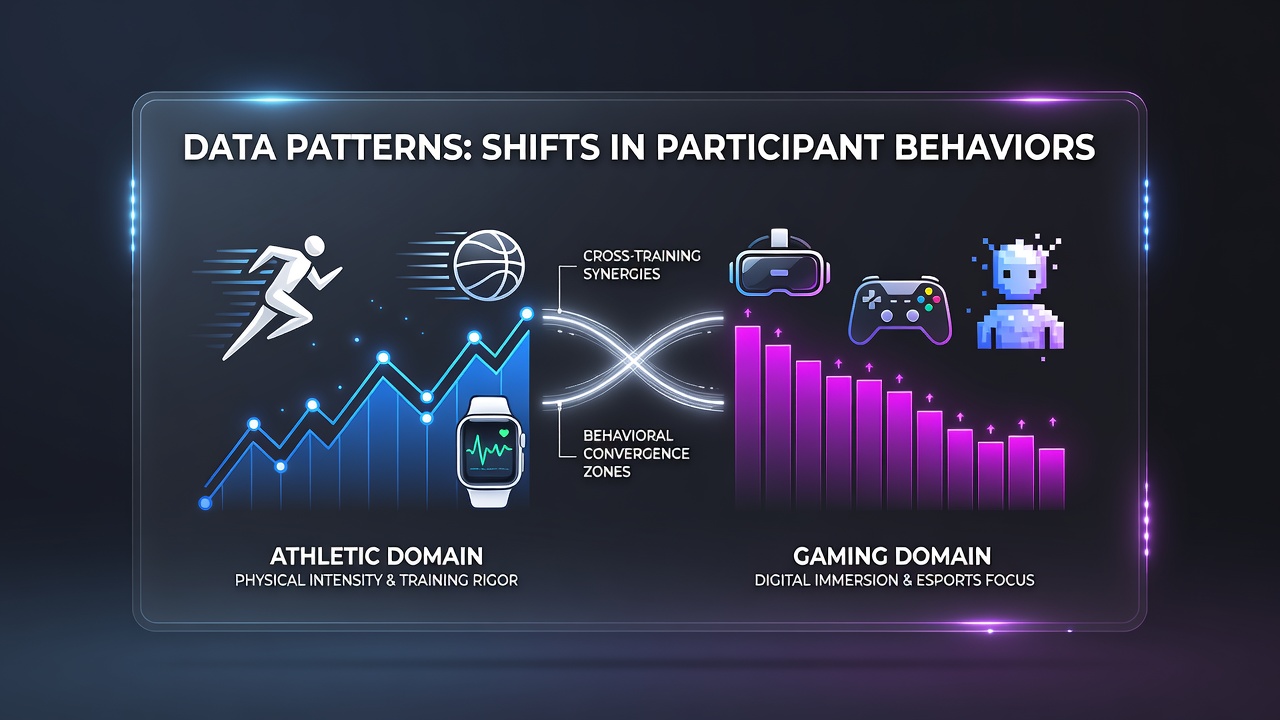
Analysts tracking large datasets from fitness trackers and digital gaming platforms have identified clear patterns in how participants move between athletic pursuits and gaming sessions, with measurable changes appearing in engagement metrics since the early 2020s. These overlaps show up in user activity logs where individuals who log regular runs or gym visits also maintain consistent profiles on multiplayer platforms, creating datasets that researchers examine for correlations in timing, duration, and device usage.
Tracking Overlap Through Aggregated User Data
Studies compiling anonymized records from wearable devices and gaming servers indicate that peak athletic activity hours often precede or follow extended gaming periods within the same 24-hour window, particularly among adults aged 25 to 40. Data compiled through 2025 shows a gradual increase in cross-platform logins, where participants transition from step-count goals to session-based challenges in strategy games or simulation titles. Observers note that these transitions occur more frequently on weekdays, with weekend patterns leaning toward longer athletic blocks followed by shorter gaming intervals.
One analysis of mobile application usage across North America revealed that users who maintained above-average step counts during morning hours demonstrated higher retention rates in evening gaming lobbies, suggesting a recovery or wind-down function in the overlap. Figures from Canadian leisure surveys released in early 2026 support this sequencing, showing that combined daily engagement across both categories averaged 2.3 hours per participant in tracked cohorts.
Seasonal and Regional Variations in Behavior Shifts
Regional datasets highlight differences tied to climate and infrastructure, with participants in urban areas displaying steadier year-round patterns compared to those in seasonal climates. In October 2026, updated reports from multiple tracking services indicated a spike in indoor athletic sessions paired with increased gaming activity, coinciding with shorter daylight hours across northern latitudes. European records from similar periods reflect parallel movements, where indoor cycling or virtual fitness classes overlapped with competitive online matches more often than in summer months.
Researchers examining Australian participant logs found that gaming sessions lengthened during periods of high heat when outdoor athletic options decreased, while athletic engagement rose again when temperatures moderated. These shifts appear in time-stamped server data rather than self-reported surveys, providing quantitative backing for the observed transitions.
Device and Platform Metrics Driving the Patterns
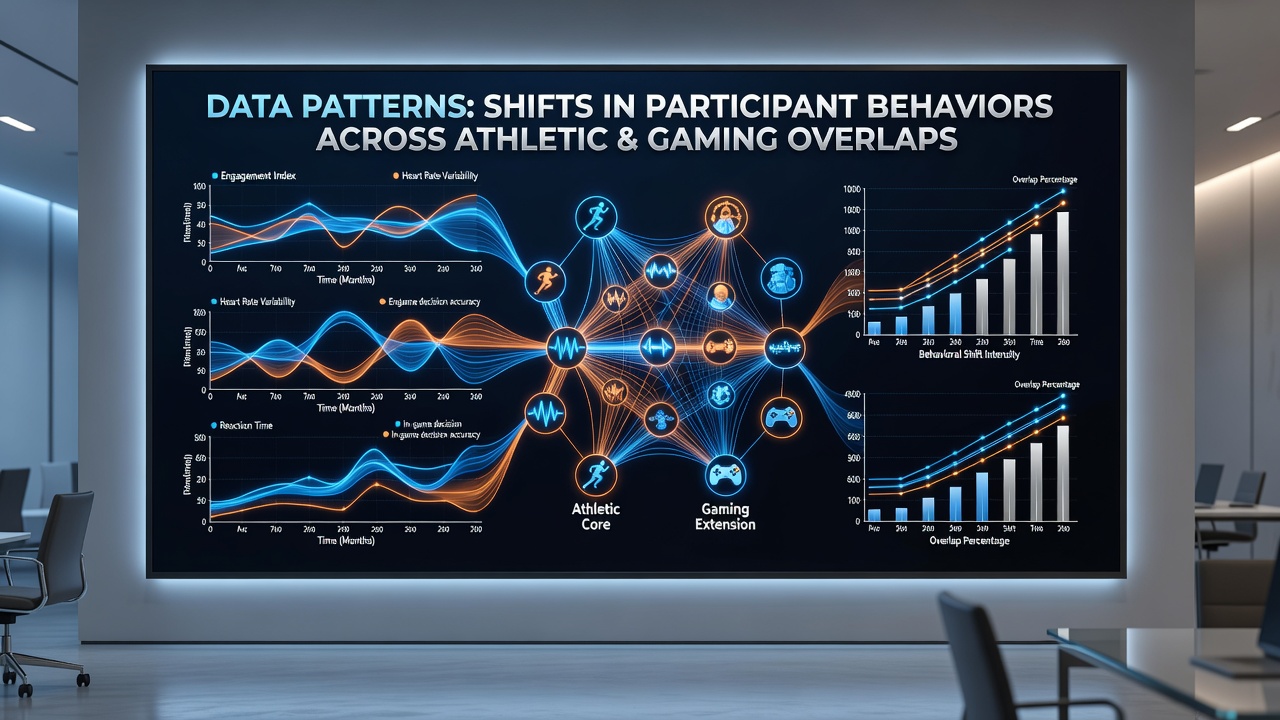
Platform-level statistics show that smartphones serve as the primary bridge between athletic logging apps and gaming environments, with push notifications and progress syncing contributing to seamless movement between the two. Data from industry reports indicate that participants using integrated health and entertainment ecosystems complete more total sessions across both categories than those relying on separate devices. A study conducted by researchers at the University of Sydney documented how notification timing influenced session starts, with athletic reminders sometimes triggering subsequent gaming logins within 30 minutes.
Hardware advancements in wearable integration have further supported these overlaps, allowing real-time performance data from athletic activities to feed into gaming achievements or leaderboards. Records from 2025 and 2026 demonstrate rising adoption rates of such features, particularly in markets where both fitness wearables and gaming subscriptions have expanded simultaneously.
Demographic Breakdowns in the Datasets
Age-stratified data reveals that younger cohorts maintain higher frequencies of rapid transitions between athletic and gaming activities, while older groups exhibit longer dwell times within each category before switching. Gender distributions in the combined datasets appear relatively balanced in overall participation, though specific game genres and athletic disciplines show distinct splits. Employment status correlates with timing patterns, as full-time workers cluster their combined activities into evening and weekend blocks according to aggregated access logs.
Geographic comparisons between North American and European samples point to similar overall volumes but differing ratios of athletic versus gaming emphasis depending on local infrastructure availability. These demographic signals emerge consistently across multiple independent data collections rather than from single-source reports.
Conclusion
Patterns extracted from combined athletic and gaming datasets continue to evolve with new measurement tools and platform features, offering ongoing material for analysis by research groups and industry observers. The documented shifts reflect measurable changes in daily sequencing, device reliance, and regional timing rather than isolated trends. Continued aggregation of these records through 2026 and beyond provides additional points for comparison across populations and seasons.